Showing posts with label Dental clinic in ashok vihar. Show all posts

Friday, 21 August 2026

What Happens If You Delay Treating a Cavity ?


A cavity may start as something so small that you barely notice it. Perhaps there is a little sensitivity when you drink something cold, or you see a tiny dark spot on a tooth. Because there may be little or no pain in the beginning, it is easy to put off a dental appointment.

But cavities usually do not disappear on their own. Without proper treatment, tooth decay can gradually move deeper into the tooth and eventually cause pain, infection, or even tooth loss. Getting an early dental checkup can often save you from more complicated treatment later.

If you have noticed a cavity or any unusual change in your tooth, visiting the Best dentist in Ashok Vihar can help you understand the problem before it gets worse.

What Exactly Is a Cavity?

A cavity is a small area of tooth decay caused by acids produced by bacteria in dental plaque. Whenever you eat foods containing carbohydrates and sugars, bacteria in your mouth can produce acids that gradually weaken the tooth's protective outer layer, known as enamel.

Over time, this damage can create a hole in the tooth.

In its early stages, decay may not cause noticeable symptoms. This is one reason regular dental checkups are important. A dentist can sometimes identify early decay before you begin experiencing significant discomfort.

Why Do People Delay Cavity Treatment?

There are many reasons people postpone dental treatment. Some people are afraid of dental procedures, while others assume that a painless cavity cannot be serious. Cost, busy schedules, or simply hoping the problem will go away can also lead to delays.

Unfortunately, waiting usually does not make a cavity smaller.

Tooth decay tends to progress when the underlying cause is not addressed. The longer you wait, the greater the possibility that the treatment required will become more involved.

1. The Cavity Can Become Larger

One of the first consequences of delaying treatment is that the cavity can continue to grow.

A small area of decay may initially require a relatively simple filling. However, as decay spreads deeper into the tooth, more of the healthy tooth structure can be lost.

You may not feel much difference from one day to the next, but the damage can continue underneath the surface.

This is why seeing the Best dentist in Ashok Vihar at the first sign of a dental problem can be a sensible step.

2. Tooth Sensitivity May Develop

As decay progresses through the enamel and reaches the underlying dentin, the tooth may become more sensitive.

You might notice a sharp sensation when consuming:

  • Cold drinks

  • Hot foods

  • Sweets

  • Ice cream

  • Very acidic foods

At first, the sensitivity may disappear quickly after the trigger is removed. Some people simply adjust their eating habits and continue to ignore the tooth.

However, recurring sensitivity can be a sign that the tooth needs professional attention.

3. You May Start Experiencing Toothache

As the cavity gets deeper, sensitivity can develop into an actual toothache.

Pain may occur while eating or drinking, or it may appear without an obvious trigger. Some people experience throbbing pain that makes it difficult to concentrate, sleep, or carry out their normal routine.

At this stage, a cavity may no longer be a straightforward problem.

4. The Decay Can Reach the Pulp

Inside every tooth is a soft area called the pulp. It contains nerves and blood vessels.

If decay continues through the outer layers of the tooth and reaches the pulp, the nerve can become inflamed or infected. This can cause significant pain and may require root canal treatment to save the tooth.

A filling may no longer be enough once the decay has reached this stage.

Seeking care from the Best dentist in Ashok Vihar early can help reduce the chance of allowing a small cavity to progress to a more complicated condition.

5. A Dental Infection Can Develop

An untreated cavity can eventually allow bacteria to reach the inner parts of the tooth and surrounding tissues. In some cases, this can lead to a dental abscess.

An abscess may cause:

  • Severe toothache

  • Swelling around the tooth or face

  • Gum tenderness

  • Pus around the affected area

  • Fever

  • Difficulty chewing

A dental infection should not be ignored. If you develop facial swelling, fever, or severe dental pain, seek professional dental care promptly.

6. You May Need a Root Canal

When decay reaches or infects the pulp, root canal treatment may be recommended.

During a root canal, the infected or inflamed pulp is removed, the inside of the tooth is cleaned and disinfected, and the tooth is sealed. A crown may also be recommended depending on how much tooth structure remains.

A root canal can often save a tooth that would otherwise need to be removed.

However, treating a cavity while it is still small may help you avoid reaching this stage.

7. The Tooth Can Become Weaker

Every time decay removes healthy tooth structure, the tooth becomes weaker.

As the cavity grows, the remaining tooth may not be able to withstand normal biting forces. In some cases, part of the tooth can chip or break while eating.

A severely damaged tooth may require a filling, crown, root canal, or another form of restorative treatment depending on the extent of the damage.

8. Tooth Loss Can Become a Possibility

In advanced cases, a tooth may become too damaged or infected to save.

When this happens, extraction may be necessary. Losing a tooth can affect more than your smile. It can also make chewing difficult and may allow neighboring teeth to shift over time.

Replacing a missing tooth may then require additional treatment, such as a dental implant, bridge, or denture.

Early treatment is therefore generally much simpler than dealing with the consequences of advanced decay.

Can a Cavity Heal on Its Own?

This depends on the stage of tooth decay.

Very early enamel demineralization may sometimes be managed or reversed with improved oral hygiene, fluoride, dietary changes, and professional guidance. But once a true cavity or hole has formed in the tooth, it generally cannot repair itself naturally.

That is why it is important not to assume that the absence of pain means the tooth is healthy.

Signs You Should Not Ignore

A cavity does not always cause obvious symptoms. Still, some warning signs deserve attention:

  • A visible dark or white spot on a tooth

  • Sensitivity to hot or cold

  • Pain when eating sweets

  • Toothache

  • Food repeatedly getting stuck in one area

  • A chipped or damaged tooth

  • Bad breath that does not improve

  • Swelling around a tooth

If you notice any of these symptoms, scheduling a dental examination can help determine what is happening.

How Is a Cavity Treated?

Treatment depends on how far the decay has progressed.

Dental Filling

A filling is commonly used when decay has created a cavity but has not significantly damaged the tooth's inner pulp. The decayed portion is removed and replaced with a suitable filling material.

Root Canal Treatment

If decay has reached the pulp and caused inflammation or infection, root canal treatment may be necessary to preserve the tooth.

Dental Crown

If a tooth has lost a significant amount of its structure, a crown may be placed over it to restore its shape, strength, and function.

Tooth Extraction

If a tooth is severely damaged and cannot be restored, extraction may sometimes be the only option. Your dentist can discuss replacement options if necessary.

How Can You Prevent Cavities From Getting Worse?

Good daily habits can significantly support your oral health.

Brush Twice a Day

Brush your teeth twice daily using fluoride toothpaste. Use gentle movements and make sure you clean along the gumline and other difficult-to-reach areas.

Clean Between Your Teeth

Floss or use another dentist-recommended interdental cleaning method to remove plaque and food particles between your teeth.

Limit Frequent Sugary Snacks

Frequent exposure to sugar can contribute to the acids that cause tooth decay. Try to limit sugary snacks and drinks throughout the day.

Drink Enough Water

Water can help wash away food particles and support a healthier oral environment.

Don't Skip Dental Checkups

Regular dental examinations can help identify cavities and other oral health problems before they become more complicated.

If you are searching for The Best Dental Clinic in Ashok Vihar, consider choosing a clinic where preventive care, diagnosis, and personalized treatment are all part of the dental experience.

Why Early Treatment Is Usually Better

The biggest advantage of treating a cavity early is that you may be able to prevent a small problem from becoming a major one.

A cavity that needs a simple filling today could potentially require a root canal or extraction if it is left untreated for too long. Early attention can help preserve more of your natural tooth and may make treatment more straightforward.

The Best dentist in Ashok Vihar can examine the affected tooth, explain the extent of the decay, and recommend an appropriate treatment plan.

Don't Wait for the Pain

One of the biggest misconceptions about cavities is that they only need treatment when they hurt. In reality, tooth decay can develop without noticeable pain, particularly during its early stages.

Waiting until the pain becomes severe may mean that the decay has already progressed considerably.

If you suspect that you have a cavity, it is better to have it checked rather than hoping it will disappear.

Choosing the Right Dental Care

Good dental care is not only about treating problems after they become painful. It is also about identifying potential issues early and helping you maintain your natural teeth for as long as possible.

When choosing The Best Dental Clinic in Ashok Vihar, look for professional guidance, clear communication, appropriate diagnostic care, and a focus on long-term oral health rather than simply treating symptoms.

A timely dental visit can give you peace of mind and help prevent a minor cavity from turning into a much bigger problem.

Final Thoughts

Delaying cavity treatment can allow tooth decay to progress from a small area of damage to deeper infection, significant pain, and potentially tooth loss. The good news is that cavities are often manageable when detected and treated early.

Don't wait for severe pain before paying attention to your teeth. If you notice sensitivity, discoloration, food getting stuck, or any other unusual change, consider arranging a dental checkup.

With the guidance of the Best dentist in Ashok Vihar, you can understand the condition of your teeth and take the right steps to protect your smile for years to come.

Tuesday, 11 July 2023

The dental implant: what should you know?

 dental-implant

The dental implant, in addition to feeling like a natural tooth, stands out for its safety and firmness. Dental implants allow us to recover the masticatory function and the aesthetics of lost teeth, it will improve our image and in turn strengthen self-esteem.

The dental implant in Ashok Vihar is the best solution to replace missing teeth, but what should we know if we are going to get dental implants? 

WHAT IS THE DENTAL IMPLANT?

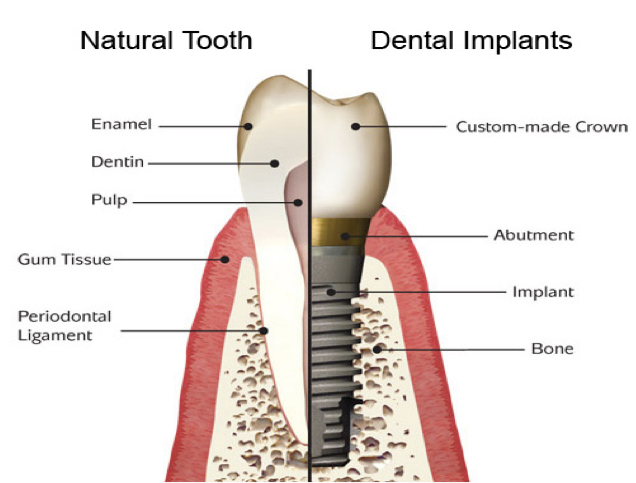
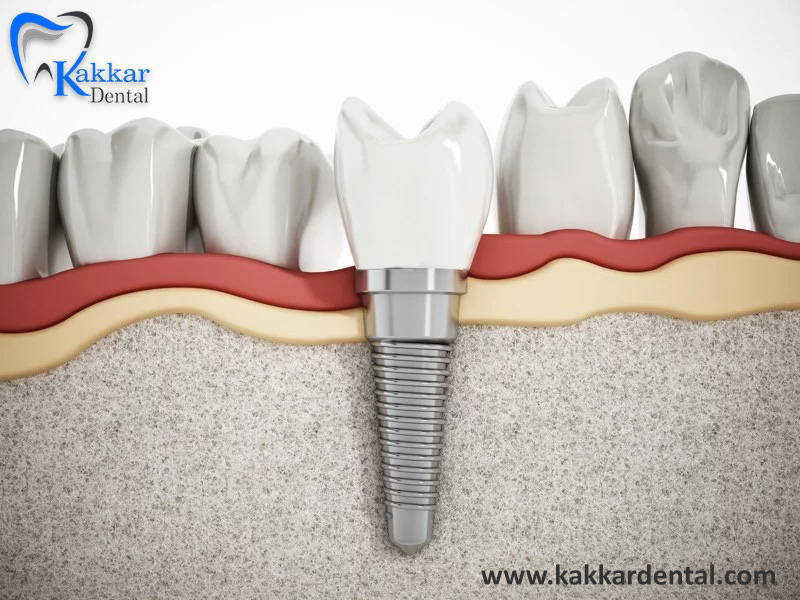
A dental implant is a titanium element that is inserted into the jaw bone, under the gum, replacing the root of the tooth. Subsequently, a custom-made crown will be placed on this titanium element that has the appearance and function of a natural tooth.

WHAT IS IMPLANT SURGERY?

Dental implant surgery is a minor outpatient surgery procedure, that is, a light intervention. This is largely due to the use of anesthesia.

The best dentist in Ashok Vihar uses local anesthesia in this type of surgery which eliminates all pain during the intervention.

Surgery consists of making an incision in the gum to reach the bone in the area to be implanted. Then, with a surgical motor, the bone perforation is prepared, to later insert the titanium screw to replace the lost tooth.

Finally, the gum of the operated area is repositioned and sutured. After adequate healing, an abutment will be connected, which will allow the placement of the final crown.

There is an alternative to the technique: immediate loading; in which a temporary abutment is immediately connected to an implant to support the tooth or temporary crown.

A treatment can never be terminated after surgery, since we have to do controls to check if the implant has Osseo-integrated correctly. The final crown will be placed about 4 months after implant placement.

THE DENTAL IMPLANT, WHAT ADVANTAGES DOES IT HAVE?

Among the advantages of implants, we can highlight:

  • It is the safest option, since the prosthesis is attached to the implant and not to another tooth.
  • Prevents bone loss by preserving the function of the bone.
  • The chewing sensation is similar to that of the natural tooth.
  • Osseointegration occurs, which is a direct connection at the molecular level of the titanium surface of the implant with the bone, osseointegration takes place in about 3 to 6 months.
  • At no time during the procedure is there pain or discomfort. In most cases, the postoperative period is less uncomfortable than any other dental intervention. For this reason, we can affirm that the placement of dental implants does not hurt.

 HOW MUCH DOES A DENTAL IMPLANT COST?

One of the questions that we are asked most frequently at our dental clinic in Ashok Vihar is how much does an implant cost?

Given its definitive nature, it is important to assess the materials used as well as the technique used in surgery, and their quality. This can vary from one patient to another since the rehabilitation is personalized.

The cost of a complete unitary implant (surgery, screw, attachments and crown) varies, depending to a large extent on the quality of the materials and the experience of the dentist in Ashok Vihar.

WHAT IS THE BEST TREATMENT TO REPLACE MISSING TEETH?

The best option to replace your teeth are implants, since they improve our quality of life, provide comfort and functionality, increase the aesthetic result, guarantee good tolerance, preserve our bone structure, and provide us with well-being.

If you are missing one or more teeth, do not doubt that the best treatment to replace them is dental implants.

DO THE IMPLANTS NEED SOME TYPE OF PERIODIC CONTROL?

Dental implants need care very similar to any other type of tooth, brushing is very important, as is the use of dental floss. Maintaining proper hygiene is essential to prevent bacteria from accumulating in the mouth. We can say that they take additional care, to ensure that both the implant and the crown are in perfect condition.

It is recommended to perform implant maintenance once a year. The guarantee of these treatments always involves maintaining correct oral hygiene and annual check-ups to assess the state of the gums surrounding dental implants.

Saturday, 16 July 2022

Types of dental caries

A dental caries is the most common problem that occurs in the teeth, produced in most cases by insufficient oral hygiene. So, it is essential that from childhood we get used to a rigorous routine that leads us to avoid developing any type of dental caries at any time in our lives.

Regardless of the types of dental cavities you may have, it's important to see your dentist in Ashok Vihar regularly. So that if you have any type of dental caries that we will explain below, you can detect and treat them in their initial phases. And so, the solution is much simpler and hardly requires a reconstruction with a composite filling.

We are going to explain the different types of dental caries that exist and the main peculiarities and characteristics of each of these varieties. 

What types of dental caries can there be?

In an initial phase, caries will affect the enamel and can usually be seen as a whitish opaque spot. This caries or injury will advance towards the internal structures of the tooth if it is not treated or controlled, the dentin and the nerve or pulp.

Sometimes the affectation of dental structures is very fast, in this case we will be talking about rampant caries. This type of caries can affect both children and adults and its progression is very rapid, so the ideal is to diagnose and treat them quickly.

Tell you that depending on the dental area affected by caries, dentist in Pitampura can distinguish the following types of dental caries, which are: crown, pits and fissures, interdental, root, and recurrent.


Crown Caries

Crown caries is located in the occlusal area of ​​the tooth or the chewing area. This type of cavities is common in children.

This type of caries affects the dental surface that is in contact during chewing, that is, the occlusal area of ​​the tooth. It is manifested by a discoloration in the upper or occlusal area of ​​the tooth and its clinical treatment is simple.

It affects the parts of the tooth that have the main function of chewing and grinding food. One of the advantages that this modality offers us is that they are easy to identify and diagnose since crown caries manifests itself with the change in color of the tooth.

Its detection is easy, and it manifests itself in a discoloration or a change in color of the affected dental area.

Root Caries

The root of the tooth does not have enamel and is more susceptible to caries. Due to its location, root caries progress very quickly, therefore, its early diagnosis and treatment will be essential.

Periodontitis, the loss of teeth and the non-rehabilitation of the spaces where you have lost a tooth, causes the retraction of your gums, leaving the root exposed. Other causes of gingival retraction can be bruxism, a very strong brushing.

This type of caries manifests itself with dark colorations in the exposed root zone and there is a higher incidence in older people.

Interproximal or interdental caries

This type of caries is located on the mesial and distal faces of the affected teeth, that is, between these teeth. This area is difficult to access when brushing and if floss or dental floss is not used, these cavities may appear.

Its detection will be possible through regular check-ups in the dental clinic in Shalimar Bagh. This type of caries should be treated quickly as they progress rapidly towards the internal structures of the tooth.

Interproximal or interdental caries are those that originate between the teeth and are caused by the non-removal of bacterial plaque from these areas through the use of dental floss, dental floss,...

They take place in the interdental spaces (between tooth and tooth). And for this reason, it is very important to properly clean the areas between the teeth. These areas are difficult to access to hygiene since the toothbrush does not clean them well, which is why the use of floss and mouth irrigator is so important.

Fissure Caries

Fissure and pit caries are caused by the accumulation of food in these occlusal areas of the teeth. They are more common in molars and also in children and young adolescents.

This type of caries is common in teeth that have been treated for a long time, in which the filling made by the force of chewing, bruxism, has been misaligned, leaving small cracks where pathogens enter.

Recurrent or secondary caries

Recurrent or secondary caries is characterized by the appearance of caries in areas where they have been previously treated (fillings, crowns, endodontic treatment, etc.).

Also called secondary caries, they are those that affect contiguous areas that have already been treated or filled (filtered fillings). You must pay special attention during your oral hygiene to your already treated teeth to prevent them from suffering from cavities again.

Characteristics of enamel, dentin and root affected by caries

It affects young people, generally between 20 and 30 years old, and has a slow progression level, with the possibility that they can be reversed with proper oral hygiene. More than a hole, as in the previous one, this type of caries affects by diluting the enamel that protects the tooth.

Enamel Caries

It is a cavity that progresses very slowly until it reaches the dentin, the second layer of the tooth after the enamel. If it reaches the dentin of the tooth, its progress is very fast.

Characteristics of enamel caries

Enamel caries, one of the most common types and that manifests itself through a white spot.

Among the main consequences of enamel caries, the loss of enamel shine should be highlighted, as well as the fact that cavitation may appear if the caries affects the deep layers of the enamel. Diagnosing enamel caries is a process that is carried out through visual inspection or by means of a detecting substance.

Characteristics of dentin caries

Another of the best known and most popular types of caries is the one located on the surface of the dentin.

When dentin caries progresses rapidly, it usually has a yellowish hue. While if the progress of dentin caries is slow, we will find a brown color. As well as it will have a more resistant consistency.

Other particularities of this type of caries are that it is usually located both in pits, fissures and on the surface or even in the root of the tooth.

On the other hand, it should be noted that superficial dentine caries usually presents painful symptoms.

To diagnose a dentin caries, the dentist in Model Town uses visual inspection and a radiographic examination. Radiography is very useful for locating cavities, especially those found between the teeth.

We continue this list talking about deep dentin caries, a type of caries that has many similarities compared to caries on the dentin surface. With the particularity that in this case we will find a small entry point in the enamel.

Characteristics of root caries

Root caries is another type of dental caries that we usually treat in patients who come to Kakkar Dental Clinic in Ashok Vihar. And in this case, it must be said that it is a chronic pathology that progresses slowly but progressively.

On the other hand, another of the curiosities of this type of caries is that it is covered by a layer of plaque. As well as it should be noted that as this type of caries progresses, both the color and the appearance of the tooth will vary.

In this case, the best way to diagnose root caries is through radiographic examination. It is also a pathology that can trigger moderate pain.

You already know the types of dental caries. What do you have to do?

In short, we have been able to know the different types of cavities that we can suffer from. Where it should be noted that each of them has a series of characteristics and peculiarities.

Early dental care is vitally important to verify both the type of dental caries you have and the most effective treatment that best suits your particular case.

Dental caries is one of the most common pathologies in today's world society. A balanced diet, correct oral hygiene habits, regular check-ups with a dentist in Pitampura, can help prevent this. 

Monday, 2 May 2022

Dental tartar: what is it and how to avoid it

When our oral hygiene is not adequate, on many occasions what occurs is the appearance of dental tartar, but exactly what is it and how can we avoid it. We tell you all the details.

What exactly is dental tartar? 

Tartar is also called calculus or dental tartar and it is a calcification of bacterial plaque. The problem is that if we don't remove it, it hardens on the teeth and can cause dental health problems. In addition, it usually acquires a yellowish color first and then brown that is not aesthetically pleasing. It can also form on the edge of the gums and under them.


What problems can it cause? 

We can find two main problems derived from the appearance of dental tartar:

  • At the health level: It can irritate the gingival tissues since it provides a more extensive and sticky surface for plaque to adhere and grow, which can also lead to cavities.
  • On an aesthetic level: It is more porous, making it absorb stains easily and take on a yellowish color that makes our smile look ugly.

Main causes 

Generally, its appearance begins to occur when we neglect our oral hygiene. At this point, we not only have to take into account brushing often, but also that the duration and technique used is correct to avoid excessive tartar and thus the problems mentioned above.

Another factor is the pH of the saliva, which varies from person to person. The acidic pH (less than 5) creates a perfect environment for bacterial adherence, allowing the formation of dental plaque that will later give rise to tartar.

Finally, it is also important to highlight eating habits. For example, some foods such as soft drinks or a high consumption of sugars can alter the pH of the saliva and thus trigger what we wrote before.

Measures to prevent its appearance

  1. Carry out deep dental cleanings at least once a year.
  2. Brush your teeth after eating any food.
  3. Don't forget to floss.
  4. Use fluoride toothpastes

Procedures for removal

In the case of having reached the point where tartar has accumulated on the teeth and it is impossible to remove it with brushing, we must go to our dentist in Ashok Vihar who will perform a root scaling. It is a procedure that consists of using a fine instrument between the tooth and the gums to remove all of the calculus. This seeks to leave the most superficial part of the tooth root as smooth or polished as possible, eliminating toxins. It can be done in several sessions, dividing the mouth into quadrants or by sides or arches, allowing us to achieve an exhaustive cleaning.


If you see small yellow areas around your teeth and gums, tartar may be starting to build up in your mouth. Do not hesitate and ask for your appointment at our dental clinic in Ashok Vihar, we will help you to find a solution.

Thursday, 1 March 2018

How to Choose Best Dentist in Delhi For Dental Implant

Fear is one of the main reasons the fact that prevents folks coming from even speaking with their particular dentist in Ashok Vihar, Delhi about dental implant in Ashok Vihar, Delhi. Knowledge and information are the foes of fear which explains why we do the best to educate each of our readers and all of our patients and the reason we created this kind of customer guide about dental implant in Delhi what to consider when choosing a dental clinic in Ashok Vihar, Delhi for dental implant provider.
13846_orig
We examined some of the most common factors people don’t obtain dental implant Delhi depending on what we’ve been told by consultations with sufferers. If you’re considering dental implant in Ashok Vihar, Delhi, we suggest the post “Dental Implants? Yes or perhaps No“.
How to Choose the Best Clinic For Dental Implant in Delhi
If you made the decision that it is time to check out your options regarding enamel replacement, and dental implants are on your list of options, the following is an informative set of what to look for (and expect) from a dentist in Shalimar Bagh, Delhi.
Requires a great In-Person Dental Implant Consultation
Expect your dentist in Model Town, Delhi, to plan an in-person discussion with an examination and x-rays.
An excellent provider should motivate you to come in for any consultation for a dental implant in Ashok Vihar, Delhi, and will think twice to provide specific info over the phone or maybe online. This is because a lot of the success of the dental implant depends upon what can only be observed in person and through conversation. It is also a smart idea to ask if there is fees for an implant consultation. While many dentist in Shalimar Bagh, Delhi provide implant consultation services for free, some perform charge fees intended for the appointment therefore be sure to ask in advance.
As best dentist in Delhi, here are a few of the key elements we consider when ever we’re providing a great implant consult:
— Bones. What kind of bone tissue structure do you have within your jaw? Does it show up healthy, and does this appear to us to get the potential to fuse with all the dental implant in Ashok Vihar, Delhi?
— How healthy will be your gums? Have you got any health conditions as well as take medication that may affect the health of the gums? Advanced gingivitis can impact the health of bone fragments structure and encircling teeth, and can anticipate the outcome of a dental implant in Delhi.
– How healthful are the rest of each tooth and gums? Are you experiencing existing restorations just like crowns, bridges or simply partial dentures? Do you really take care of your smile, floss and brush regularly, and see your dentist in Pitampura, Delhi for standard checkups? Implants are incredibly strong, but exactly like our natural smile, an implant (and the crown the fact that covers it) are not invincible. Implants need care and repair, too.
– Will you smoke cigarette, or have any other practices that can affect the achievement of an implant? Smoking cigarettes isn’t a deal-breaker, but it’s some thing we discuss that clearly with any kind of patient who smoking cigarettes regularly and also desires a dental implant. Cigarette smoking and using tobacco may (and will) impact the health of your teeth and gums.